Emergency Dentist Advice for a Tooth Broken Below the Gumline

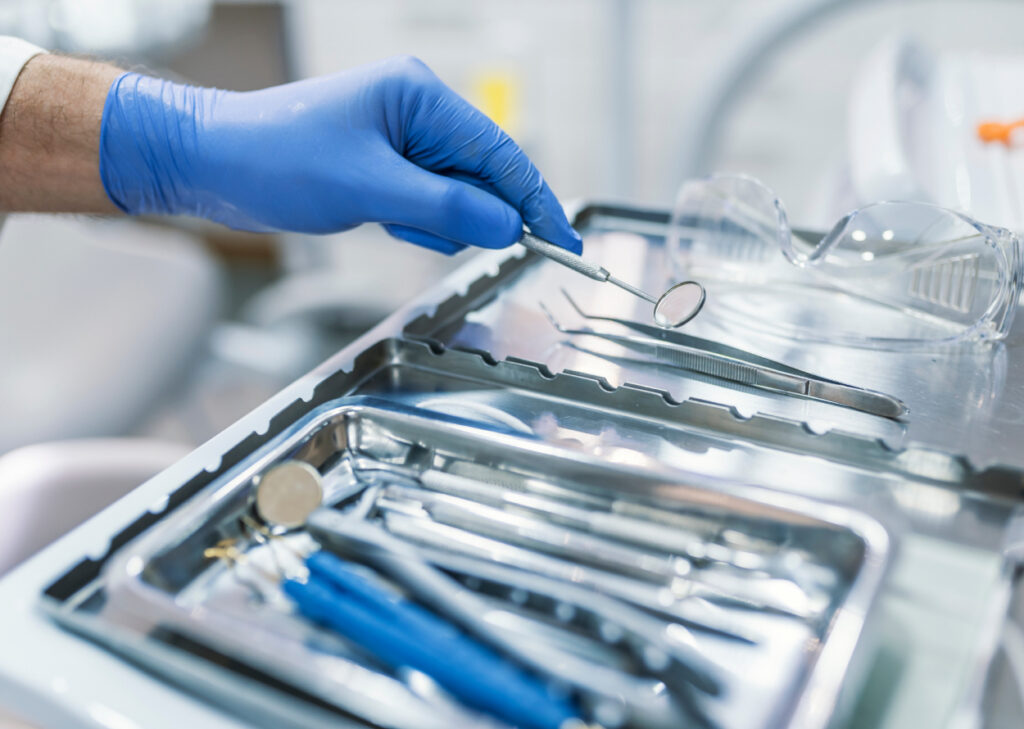
A tooth that breaks below the gumline is one of the more unsettling dental injuries a person can experience. It usually happens fast, often during an ordinary moment, biting into a crust of bread, catching an old filling on something hard, taking an elbow during a weekend game, or waking up to discover that a tooth weakened by years of grinding has finally given way. The pain can range from surprisingly mild to sharp and relentless. Either way, the urgency is real.
From an emergency dentist’s perspective, this kind of break matters because the visible damage is only part of the story. Once the fracture runs below the gumline, access becomes harder, bacteria gain an easier path in, and treatment decisions become more nuanced. Some teeth can still be saved. Others cannot, even if the root looks solid on a quick glance. That is why the first few hours, and the first examination, make such a difference.
What “broken below the gumline” actually means
People often use the phrase to describe any tooth that seems snapped off near the gum. Clinically, there are a few variations. Sometimes the crown breaks and leaves only a jagged edge at or slightly under the gum tissue. Sometimes a crack travels vertically into the root. In other cases, a heavily filled tooth fractures because there was not enough natural structure left to support the biting forces.
The distinction matters because treatment depends on where the break starts, how deep it extends, whether the nerve is exposed, and whether the root itself is split. A front tooth broken under the gum after trauma raises different concerns than a molar that crumbled around an old silver filling. One may be restorable with careful planning. The other may already be structurally compromised beyond repair.
A patient once described it perfectly after biting down on a pecan. She said it felt less like a tooth “chipped” and more like the tooth “collapsed inward.” That is often how these cases present. There may not be a clean missing piece you can hold in your hand. Instead, there is sudden roughness, pressure when biting, blood from irritated gum tissue, and a sense that the tooth is no longer whole.
Why this is considered a dental emergency
Not every broken tooth requires middle of the night care, but a tooth broken below the gumline often justifies same day attention. The reason is not only pain. Exposed dentin and pulp can become infected quickly. Sharp edges under the gum can traumatize the surrounding tissue. If the fracture is unstable, chewing can drive it deeper or split the remaining root.
There is also the issue of prognosis. Teeth do not become easier to save by waiting. When a fracture line sits close to the bone, swelling and contamination can complicate what might otherwise have been a manageable repair. If the injury followed trauma, especially to a front tooth, there may be hidden movement in the root or damage to supporting bone that is not obvious without X-rays.
An emergency dentist is looking for a few immediate questions. Is the tooth salvageable. Is the nerve involved. Is there infection. Is the surrounding bone injured. Can the patient function comfortably and safely until definitive treatment is done.
What to do in the first few hours
The first goal is to protect the area and avoid making the fracture worse. Panic tends to make people chew on the other side absentmindedly, probe the tooth with a finger, or repeatedly rinse with very hot water. None of that helps.
If this happens before you can be seen, focus on a short set of practical steps:
- Rinse gently with lukewarm water to clear away blood or debris.
- If there is bleeding, apply light pressure with clean gauze or a damp cloth.
- Take an over the counter pain reliever you can normally use safely, following label directions.
- Avoid chewing on that side, and stick to soft foods and cool or room temperature drinks.
- Call an Emergency Dentist as soon as possible, especially if the tooth is painful, loose, bleeding, or broken near the root.
If you found a broken piece, bring it with you. It is not always usable, but it can help the dentist understand the fracture pattern. If the injury came from a blow to the mouth, mention that when you call. Trauma changes the way these cases are evaluated.
Signs that the damage may be more serious than it looks
A small looking break can hide a major structural problem. Pain on release after biting, rather than only when chewing down, sometimes points to a crack pattern. A metallic taste, swelling near the gum, or a pimple like bump on the tissue may suggest infection. If the tooth feels shorter, mobile, or “sinks” under pressure, the supporting structures may be involved.
Color changes matter too. A front tooth that begins to darken after an injury may have lost vitality, even if the initial break looked minor. In back teeth, deep temperature sensitivity that lingers well after hot or cold is removed often suggests the pulp is inflamed or exposed. Spontaneous throbbing, waking pain, or pain with light tapping are also red flags.
One common misconception is that if the pain goes away, the emergency has passed. Sometimes pain fades because the nerve has died. That is not recovery. It can be the beginning of an infection that surfaces days or weeks later.
What the emergency dentist is evaluating
At the appointment, the examination is part detective work, part triage. The dentist will usually inspect the visible break, check mobility, test the surrounding gum and bone, and take X-rays. In some offices, a cone beam scan may be recommended if the fracture pattern is unclear or if root involvement is suspected. Not every case needs that level of imaging, but when the break is hidden under tissue or extends unpredictably, three dimensional imaging can be extremely useful.
The key issue is ferrule, even if the word is never used in the operatory conversation. Ferrule refers to having enough healthy tooth structure above the bone and gum to securely hold a restoration, usually a crown. Without that band of sound structure, even a beautifully done root canal and post may fail because the tooth cannot resist normal biting forces.
This is where judgment matters. A tooth can be technically restorable on a scan and still be a poor long term investment if the remaining structure is minimal, the patient grinds heavily, or the tooth is already serving as a weak link in a larger bite problem. On the other hand, a young patient with a strategically important tooth and a favorable root length may benefit from aggressive efforts to save it.
Treatment depends on the fracture pattern
There is no single fix for a tooth broken below the gumline. The range is broad, from smoothing a sharp edge and placing a temporary covering, to root canal treatment and crown lengthening, to extraction and replacement. The right path depends on anatomy, symptoms, hygiene, cost, timing, and long term predictability.
Here are the most common treatment directions an emergency dentist may discuss:
| Situation | Possible treatment | | --- | --- | | Small subgingival break, root intact, enough structure remains | Temporary stabilization followed by build up and crown | | Nerve exposed but root is sound and restorable | Root canal treatment, core build up, then crown | | Fracture extends too far under bone on one side | Crown lengthening or orthodontic extrusion to expose sound tooth | | Vertical root fracture or split tooth | Extraction is often the most predictable option | | Extensive breakdown around an old filling or decay | Sometimes restorable, sometimes better managed with extraction and replacement |
A quick office visit may not settle everything immediately. In some cases, the emergency dentist’s first job is to get you comfortable, control contamination, and buy time for a more definitive plan. That may mean placing a sedative dressing, smoothing the fracture, prescribing antibiotics only if there is a clear sign of infection or facial swelling, and arranging follow up with a general dentist, endodontist, periodontist, or oral surgeon.
When a root canal can help, and when it cannot
Patients often assume a root canal is the answer to any badly broken tooth. It is not. Root canal treatment addresses the inside of the tooth, removing inflamed or infected pulp tissue. It does not rebuild strength by itself. If the fracture leaves too little remaining tooth structure, the tooth may still be unrestorable after the canal is completed.
That distinction is one of the most important conversations in emergency care. A tooth needs both biologic health and mechanical stability. The nerve can be cleaned out perfectly, yet the tooth can still fail if the crack extends down the root or the crown margin would have to be placed too deep under the gum and bone.
That said, root canal treatment can be an excellent part of the solution when the break is severe but localized. A front tooth fractured under the gum after a sports injury may do very well with root canal therapy, careful exposure of more tooth structure, and a final crown. Many such teeth remain serviceable for years when case selection is good and the patient maintains them well.
The role of crown lengthening and orthodontic extrusion
Two less familiar options often come up when the break sits too deep to restore in its current position. Crown lengthening is a periodontal procedure that reshapes gum and sometimes bone around the tooth to expose more sound structure. Orthodontic extrusion slowly moves the tooth upward, bringing healthy structure above the gumline so it can be restored.
Neither approach is automatic. Crown lengthening can alter the gum contour, which matters greatly in the front of the mouth where appearance is critical. It can also reduce support around the tooth if a lot of bone must be removed. Orthodontic extrusion takes more time and coordination, but it preserves bone better and can be ideal in select esthetic cases.
These are the moments when experience matters more than enthusiasm. Saving a tooth at all costs is not always the best service. If treatment requires multiple procedures, months of appointments, and still carries a guarded prognosis, many patients are better served by a straightforward extraction and a well planned replacement.
When extraction is the better answer
No one likes hearing that a natural tooth cannot be saved. Still, there are cases where removal is the most predictable and least costly path over time. Vertical root fractures are a classic example. Teeth split through the root generally do poorly, and the symptoms can be deceptive, intermittent pain, recurrent gum irritation, and a history of “mystery” discomfort that never fully resolves.
A tooth may also be a poor candidate for restoration if decay extends well below the gumline, the remaining root is short, the bone support is already reduced, or the tooth has fractured in a way that would leave no stable foundation for a crown. In heavily loaded molars, especially in patients who clench or grind, trying to save a deeply compromised tooth can turn into a cycle of repair and failure.
When extraction is necessary, the conversation should not stop there. Replacement planning matters from the start. Depending on the location, options might include an implant, a bridge, or in some situations no replacement at all if the tooth is not functionally important. Timing also matters. Immediate versus delayed implant placement is not a simple cosmetic decision. It depends on infection, bone quality, soft tissue condition, and bite forces.
Pain control and infection concerns
Pain from a tooth broken below the gumline can be intense because the break may expose dentin, irritate the pulp, inflame the ligament around the root, or lacerate the gum. The type of pain offers clues. Sharp sensitivity to cold often points toward exposed dentin or pulp irritation. Throbbing that worsens when lying down may suggest pulpal inflammation. Pain on biting can indicate movement, crack propagation, or inflammation in the ligament.
Antibiotics are not a universal answer. This is worth stressing because many patients request them, understandably, hoping to prevent things from getting worse before they can get definitive care. Antibiotics are useful when there is swelling, spreading infection, fever, or certain high risk presentations. They do not “seal” a fracture or calm an inflamed nerve inside a broken tooth. Mechanical treatment is what solves the problem.
A temporary covering placed by the dentist can make a dramatic difference. Even smoothing a sharp edge and sealing exposed dentin may reduce pain enough for normal sleep. In deeper cases, pulpal treatment or extraction may be the true emergency intervention needed to provide relief.
What not to do while you wait
Home fixes are often where manageable cases become messier. Temporary dental cement from a pharmacy can sometimes protect a rough surface, but it is not a substitute for assessment. Household glue should never go near a broken tooth. Aspirin should not be placed directly on the gum, despite how often that myth still surfaces. It can burn the tissue and does nothing for the fracture.
Chewing “carefully” on a compromised tooth is another gamble people take. The problem is that fracture lines under the gum are rarely stable. One strong bite on toast or granola can turn a repairable situation into a split root. I have seen teeth that might have been crownable on Monday become extractable by Friday because the patient kept testing them.
Extreme temperatures are https://maps.app.goo.gl/LyyJttsiUMY7VSfU7 another common trigger. Ice water and very hot coffee can both provoke pain and expose how irritated the nerve has become. Soft, bland, moderate temperature foods are usually safest until the tooth is treated.
Special situations that change the decision
Children and teenagers need a different lens, especially after trauma to front teeth. The stage of root development affects treatment choices, and preserving bone and appearance can become priorities that shift the usual plan. Pregnancy also changes practical decisions around imaging, medication selection, and timing, though urgent dental care is still often appropriate and important.
Patients with diabetes, smoking history, dry mouth, significant grinding, or previous radiation to the head and neck present additional considerations. None of these automatically rule out saving the tooth, but they influence healing and long term survival. The same is true for patients with complex restorative histories. A tooth that has already had a large filling, crown, root canal, and retreatment carries a different outlook than a first time injury in an otherwise healthy tooth.
Even the position of the tooth matters more than most people expect. A broken lower second molar in a patient with limited opening can be far more difficult to restore predictably than a similar fracture in a front tooth with easy access and favorable esthetics. Dentistry is not only about what can be done, but what can be done well.
Questions worth asking at the appointment
Patients do better when they understand the decision in front of them. If the diagnosis is not straightforward, ask what the fracture appears to involve and whether the root is affected. Ask whether the tooth can be restored predictably, not just technically. Those are not the same thing. It is also reasonable to ask how long a proposed solution is expected to last and what the backup plan would be if it fails.
Cost matters too, and it should be discussed openly. A tooth saved through emergency treatment, root canal therapy, periodontal surgery, core build up, and a crown may represent excellent value if the outlook is strong. It may represent poor value if the tooth has a guarded prognosis from the beginning. Good emergency care includes honest framing, not just heroic possibilities.
The practical takeaway
A tooth broken below the gumline is not something to monitor casually for a few weeks. Some of these injuries can be repaired beautifully, but timing and diagnosis are everything. The visible break is only the starting point. The real question is how far the fracture extends, whether enough healthy structure remains, and whether the result will be durable under everyday function.
The best next move is prompt evaluation by an Emergency Dentist who can control pain, assess the depth and pattern of the fracture, and explain whether the tooth should be stabilized, restored, treated endodontically, surgically exposed, or removed. Fast action does not guarantee that the tooth can be saved. It does give you the best chance of preserving options, avoiding infection, and making a sound long term decision rather than a rushed one made after things deteriorate.
Simple Dental Vermont
Address: 8914 S Vermont Ave, Los Angeles, CA 90044
Phone number: +13239493000
FAQ About Emergency Dentist Los Angeles CA
What can the ER do for a tooth?
The emergency room can provide temporary symptom relief for a bad tooth, such as prescribing pain medicine or antibiotics, but it cannot fix the actual dental problem.
What is the 3-3-3 rule for tooth infection?
The 3-3-3 rule for a toothache or infection typically means taking three 200 mg ibuprofen tablets (600 mg total) three times a day for no more than three days to control pain and swelling while waiting to see a dentist.
What do you do if you have a dental emergency but no dentist?
If you have a dental emergency and no regular dentist, you should search for an urgent care dental clinic, call local walk-in dental offices, or go to a hospital emergency room if you have severe bleeding, swelling, or trouble breathing.