How Same-Day Dental Emergenc Appointments Work in Plano TX
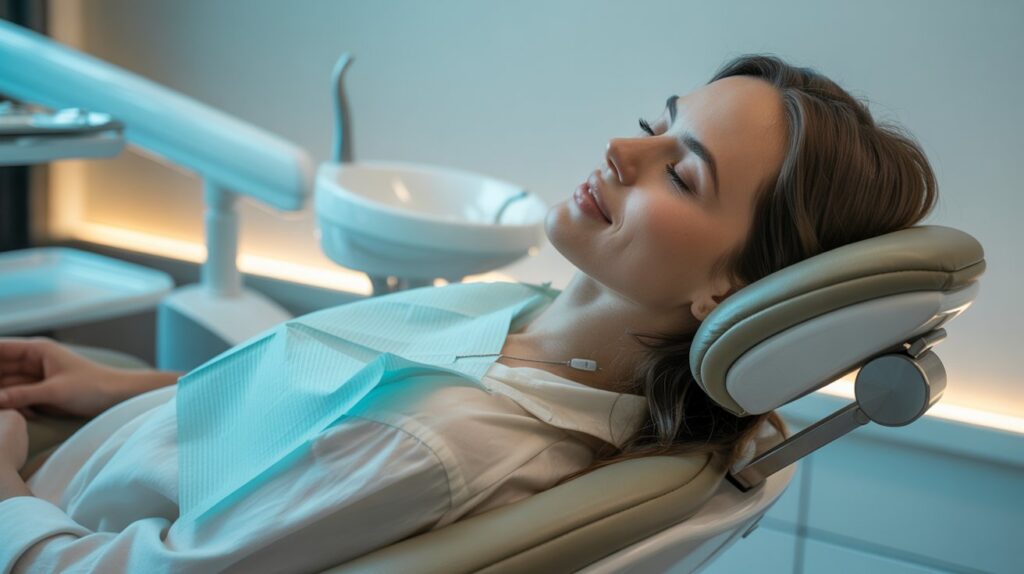
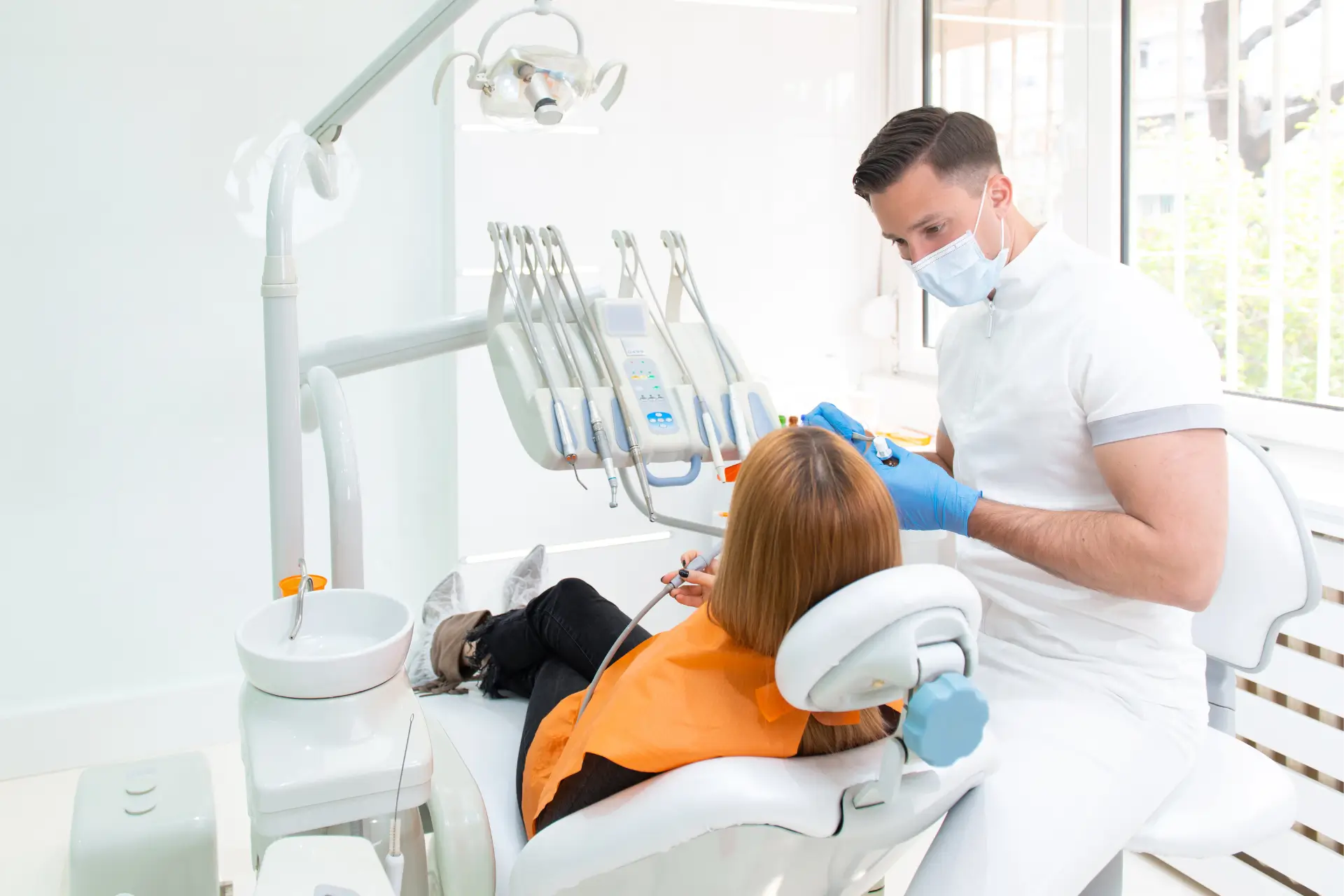
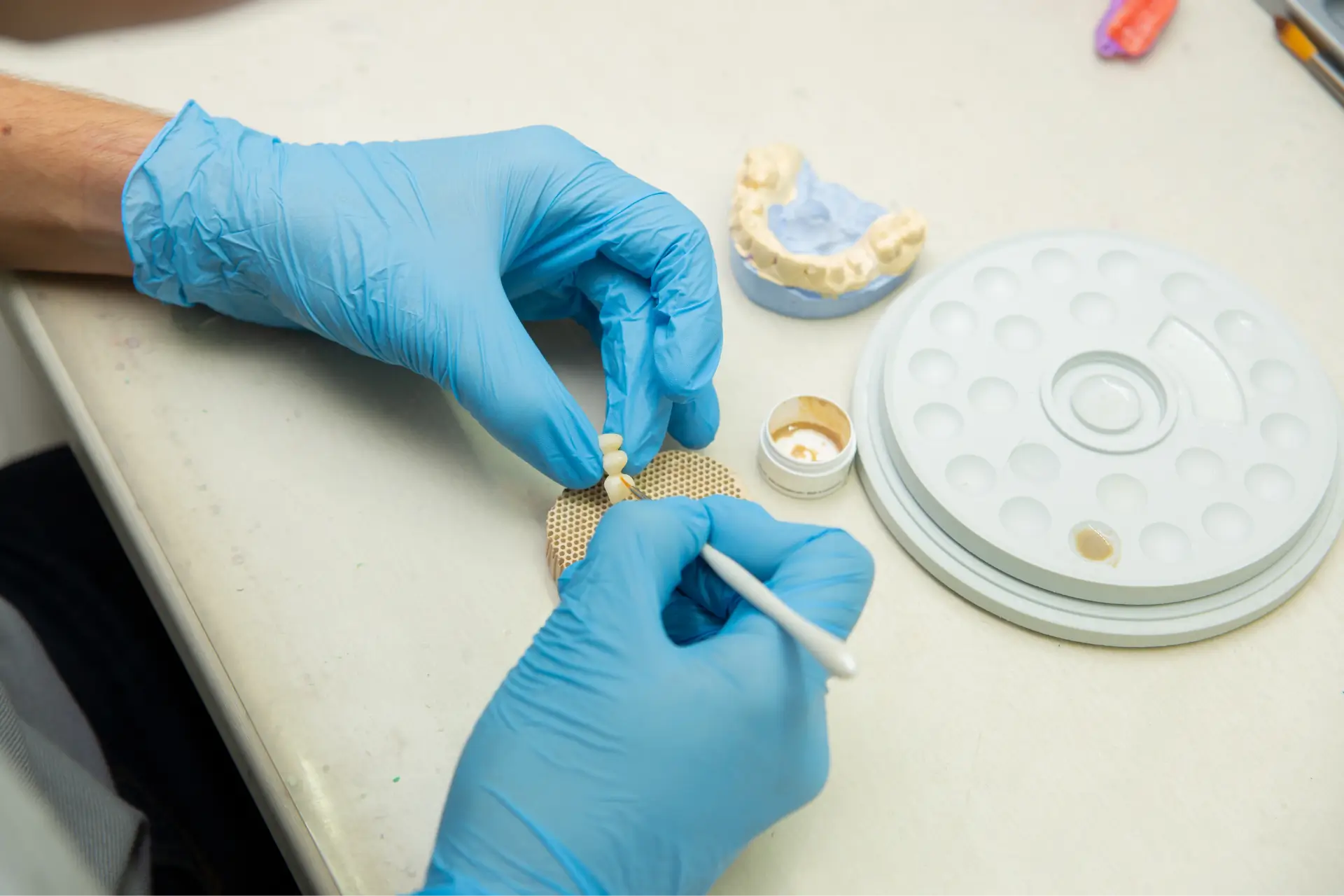
A true dental emergency has a way of shrinking your whole day down to one problem. It might start with a sharp crack when you bite into lunch, a throbbing molar that kept you up half the night, or a child who runs in from the backyard holding a tooth in their hand. In those moments, people are not looking for a polished explanation of dentistry. They want to know one thing: how fast can someone see me, and what happens when I get there?
That is the practical value of same-day dental care in Plano. A same-day emergency appointment is designed to move quickly, sort out what is urgent, relieve pain, and prevent the problem from getting worse. It is not always a one-visit fix, because dentistry depends on diagnosis, imaging, swelling levels, available materials, and the condition of the tooth itself. But in a well-run office, the same-day visit should give you direction, immediate treatment when appropriate, and a clear plan if more work is needed.
For anyone searching for a Dental Emergency Plano TX office, the process can feel opaque until you have to use it. The reality is usually much more straightforward than people expect. You call, the team asks targeted questions, they make room in the schedule, and the dentist focuses first on triage rather than routine care. That shift in priorities is what makes emergency scheduling different from a standard cleaning or exam.
What counts as a dental emergency
Not every dental problem needs to be seen within the hour, but many situations should not wait several days either. In practice, dental emergencies tend to fall into a few broad categories: significant pain, trauma, swelling, bleeding, and sudden damage that affects eating, speaking, or the long-term survival of a tooth.
A cracked tooth with no pain may still be urgent if the fracture runs deep. A lost crown may seem minor, but if the exposed tooth is sensitive or structurally weak, waiting can turn a manageable repair into a root canal and crown case. Facial swelling, especially when it is spreading or paired with fever, can cross the line from dental issue to medical urgency faster than many people realize.
Some of the most common reasons for a same-day visit in Plano include severe toothaches, abscesses, broken teeth, knocked-out teeth, dislodged fillings or crowns, injuries from sports or falls, and gum infections that suddenly flare. Parents also call for children with chipped front teeth, lip injuries, or pain that starts after school and escalates by evening.
One point worth stressing is that pain level alone does not always tell the whole story. I have seen people with a dying tooth who felt only dull pressure, and others with a tiny exposed root surface who described the pain as unbearable. The dentist has to sort out the cause, not just the volume, because treatment depends on the source.
What happens when you call the office
The first few minutes on the phone matter more than most patients think. Emergency scheduling in a dental office is usually built around triage. The team is trying to determine how serious the problem is, whether there are signs of infection or trauma, and whether the patient needs a dentist, an oral surgeon, or in some cases an emergency room.
A good front desk or clinical coordinator will ask focused questions. They may ask when the pain started, whether it is constant or triggered by cold or chewing, whether there is swelling, whether the tooth is broken, and whether there has been an accident. If a permanent tooth has been knocked out, time becomes critical. If bleeding will not stop, or the swelling is affecting swallowing or breathing, that changes the advice immediately.
They will also often ask about practical details that affect the visit. Are you a current patient or new patient? Do you have recent X-rays from another office? Are you taking blood thinners? Do you have dental insurance? None of those questions are meant to slow things down. They help the office prepare the right amount of time, gather consent and health information, and reduce delays once you arrive.
In many Plano offices, same-day emergency slots are held open on purpose. The schedule may look full online, but most practices that handle urgent care know that emergencies are part of normal dentistry. They build in flexibility, sometimes by reserving blocks in the morning and afternoon, and sometimes by shifting less urgent treatment to fit a patient in. That is why calling the office directly often works better than relying on online booking when you are in pain.
Why same-day does not always mean immediate treatment for everything
This is where patient expectations and clinical reality sometimes collide. A same-day appointment means the office will evaluate and address the urgent problem as quickly as possible. It does not always mean every definitive procedure happens that same hour.
For example, if you walk in with significant swelling around a lower molar, the dentist may need X-rays, an exam, local anesthesia, drainage if possible, and a decision about whether the tooth is restorable. If the infection is severe, if your mouth opening is limited, or if numbness cannot be safely achieved in inflamed tissue, the first goal may be to reduce pain and stabilize the situation rather than finish the root canal that day. On the other hand, many offices can complete an extraction, a pulpotomy, a root canal, or a bonded repair the same visit if the case is suitable and the schedule allows.
This is one reason experienced patients often say the best emergency appointment is the one that gives a reliable diagnosis. Pain relief matters, of course, but knowing whether the tooth can be saved, whether a crack goes below the gum line, or whether the problem is even the tooth you thought it was, those answers shape everything that comes next.
The arrival and check-in process
Once you reach the office, emergency check-in is typically faster than a routine new-patient visit, but there is still paperwork. Expect medical history, medications, allergies, and consent forms. If the office is efficient, much of this can be completed on your phone before arrival. That matters when someone is in distress.
The team may take you back quickly for a limited exam rather than a full comprehensive workup. That means the dentist is focused on the painful or injured area first. Digital X-rays are common because they are fast and help the dentist identify infection, fractures, decay, failed restorations, bone loss, or impacted teeth. Sometimes the needed image is simple. Other times, especially after trauma, multiple views are necessary. A 3D scan may be suggested if the tooth is fractured in a way a standard X-ray cannot fully show.
One practical reality in emergency dentistry is that a patient often feels anxious, embarrassed, or frustrated by the time they sit in the chair. People apologize for not coming in sooner, or they worry they are interrupting the office’s day. In a clinic that handles emergencies regularly, none of that is unusual. The staff has seen people arrive from work in business clothes, from soccer practice with a mouth guard in hand, and from the pharmacy parking lot after an antibiotic from urgent care failed to solve the source of the pain. The goal is not to judge how you got there. The goal is to fix what can be fixed.
The exam is narrower, but often more urgent
A same-day emergency appointment is not a cleaning with extra attention. It is a targeted evaluation. The dentist may test biting pressure, percussion sensitivity, cold response, gum pocket depth, mobility, and surrounding tissue. In trauma cases, they check for jaw involvement, bite changes, lacerations, and signs that a tooth has been pushed out of position rather than simply chipped.
That narrow focus is efficient, but it also means some routine concerns may be deferred. If you came in with a swollen lower right molar and also have an old cavity on the upper left, the dentist may document both, but treatment that day will center on the infection or pain source. This distinction helps patients understand billing as well. An emergency exam is usually coded differently from a full comprehensive exam, and the X-rays taken are often limited to the problem area.
One common surprise is how often the painful tooth is not the obvious one. Referred pain can trick people. A cracked upper molar can radiate into the lower jaw. A sinus-related pressure complaint can feel like a toothache. A patient may point to one premolar, while testing shows the neighboring tooth is necrotic. That is why even same-day care still begins with diagnosis rather than jumping straight into treatment.
What treatment might happen on the same day
The answer depends on the diagnosis, the office setup, and the patient’s condition. Some emergency visits end with definitive treatment that day. Others end with temporary relief and a scheduled return. Both outcomes can be appropriate.
Here are the most common same-day possibilities:
- Pain control and stabilization, which may include numbing the area, adjusting the bite, placing a sedative filling, or prescribing medication when clinically appropriate.
- Repair of a broken or chipped tooth, often with smoothing, bonding, or a temporary build-up if the fracture is limited.
- Recementing or temporarily replacing a crown, bridge, or filling when the underlying tooth structure allows it.
- Root canal treatment or emergency pulpal therapy for teeth that are infected or inflamed but still restorable.
- Extraction when the tooth cannot be predictably saved, or when infection, fracture, or structural loss makes removal the safer choice.
That list covers the broad strokes, but real cases are rarely that tidy. A front tooth fractured during basketball may need immediate bonding for appearance, then later cosmetic refinement. A lower molar with severe decay may get an emergency pulpotomy to quiet the pain, followed by full root canal treatment and crown placement at a second visit. A broken denture may be adjusted for temporary function, then sent to a lab for a stronger repair.
The difference between temporary relief and definitive care
Patients sometimes hear “we can get you comfortable today” and worry that means they are being put off. In many cases, it is simply the most honest clinical approach. Swelling, infection, deep cracks, and extensive decay can make same-visit final treatment unpredictable.
Take a badly infected molar. If the dentist can drain the infection, open the tooth, and place medication inside, that may bring dramatic relief. But if surrounding tissue is inflamed and anesthetic is not working well, forcing a complete procedure can create a miserable experience and a poorer result. Dentistry is one field where patience for a day or two, combined with the right interim treatment, can make the definitive work far smoother.
There is also the question of what is salvageable. In emergency care, dentists make fast judgments about prognosis. A tooth split vertically below the gum line is very different from a chipped cusp. A crown that came off because the cement failed is different from one that came off because the remaining tooth underneath is mostly decayed. Same-day appointments work best when patients understand that the dentist is not just fixing what hurts, but protecting them from paying for treatment that will not last.
Timing matters, especially after trauma
If a permanent tooth is knocked out, every minute counts. The best chance of saving that tooth comes when it is handled carefully and reimplanted quickly. If you are dealing with trauma, call immediately while you are on the way. Offices that treat emergencies will often give instructions before you even arrive.
A simple set of first steps can make a major difference:
- Hold the tooth by the crown, not the root.
- If it is dirty, rinse it gently with milk or saline, not by scrubbing.
- Try to place it back in the socket if possible, or keep it in milk.
- Control bleeding with clean gauze and light pressure.
- Get to a dentist right away.
That kind of injury is one of the clearest examples of why same-day emergency systems exist. It is not convenience scheduling. It is time-sensitive care that can alter whether the tooth survives.
Cost, insurance, and the financial conversation
People often hesitate to call because they are afraid of the bill. That hesitation can be expensive in the long run. A problem that might have been solved with a simple restoration or crown recementation can become an extraction, infection management, and replacement planning if delayed too long.
Most Plano dental offices can at least estimate the fee for an emergency exam and basic X-rays over the phone, though exact treatment costs usually require diagnosis. Emergency visit fees vary by practice, and treatment costs vary widely based on complexity. A smoothing of a chipped edge is not priced like a root canal and crown. An extraction of a loose baby tooth is not priced like a surgical removal of a fractured adult molar.
Insurance may cover part of the exam, radiographs, and medically necessary treatment, but patients should expect some uncertainty until the diagnosis is complete. Offices with experienced financial coordinators can usually explain options clearly, including staged treatment, financing, or prioritizing what must be done now versus what can wait a short time. What matters most in an emergency is transparency. Patients handle cost discussions much better when the office is direct about the immediate need, the ideal long-term fix, and the consequence of postponing it.
What makes Plano’s emergency dental landscape a little different
Plano has the characteristics of a fast-moving suburban city with a broad patient base. You have families, professionals commuting across the metro area, retirees, and a large number of people trying to fit healthcare around packed schedules. That affects how dental practices operate. Many emergency calls come early in the morning, over lunch, or late in the day after people finally admit the pain is not going away.
There is also a practical competition factor in the area. Because patients have options, offices that genuinely handle dental emergencies well tend to develop systems for it. They train staff to triage properly, keep imaging efficient, maintain same-day materials for temporary and definitive repairs, and build doctor schedules that can absorb urgent cases. If you are looking for Dental Emergency Plano TX care, those operational details matter as much as marketing. A calm, organized team often tells you more than a flashy website does.
Another reality in Plano is the intersection between dental offices, urgent care clinics, and hospital emergency rooms. Many patients start in the wrong place. Emergency rooms are essential for facial trauma, uncontrolled bleeding, fever with spreading infection, and airway concerns. But most ERs cannot perform root canals, recement crowns, or treat the source of dental decay. They may provide pain relief or antibiotics, then tell you to see a dentist. Understanding that difference can save precious time.
When to seek medical care instead of, or before, the dentist
There are situations where the safest first stop is not the dental chair. If you have swelling that affects breathing or swallowing, significant facial trauma with possible jaw fracture, uncontrolled bleeding, high fever with facial spread, or signs of a rapidly worsening infection, seek urgent medical care immediately. A dentist can be part of the treatment sequence, but airway and systemic safety come first.
This is where good judgment on the phone matters. Responsible dental offices will not try to keep every emergency in-house. If the symptoms suggest a medical crisis, they should tell you plainly to go to the ER. Good emergency dentistry includes knowing its limits.
How to make the visit go more smoothly
Patients can help the process without doing anything complicated. If https://spencerxkgi785.hexaforgey.com/posts/what-to-bring-to-a-dental-emergency-appointment-in-plano-tx you have dental insurance, bring the card or a photo of it. If another office took recent X-rays, ask them to send them. Bring a list of medications. If a crown or broken tooth piece came out and you have it, place it in a clean container and bring it with you. Do not glue anything back yourself with household adhesive. Dentists still see that, and it rarely ends well.
If you are in severe pain, avoid chewing on the area. If the problem is sensitivity after a lost filling or crown, keeping the tooth clean and avoiding very hot or cold foods can reduce irritation before your visit. For swelling, a cold compress on the outside of the face may help with comfort, though it will not resolve the source. If the office instructs you to take an over-the-counter pain reliever before arrival and it is medically safe for you, that can make the trip more tolerable.
The simplest advice is often the best: call early, describe the problem accurately, and do not minimize symptoms out of politeness. Saying “it’s probably nothing” when half your face is swelling does not help the office prepare.
What patients often remember afterward
When people talk about a good same-day emergency appointment, they rarely focus only on the technical procedure. They remember how quickly someone answered the phone, whether the staff sounded calm, whether the dentist explained the options without rushing, and whether they left with less pain and a workable plan.
The strongest offices do three things well. They sort urgent from non-urgent fast. They communicate clearly under pressure. And they make practical decisions, not idealized ones. That means treating the tooth that can be saved, removing the one that cannot, using a temporary fix when conditions call for it, and referring out when a specialist is truly needed.
Same-day dental emergency care is not magic, and it is not always neat. Some visits end with a simple repair and instant relief. Others begin a longer process involving infection control, root canal therapy, crowns, implants, or specialist follow-up. But when the system works as it should, the patient no longer feels stuck. They have a diagnosis, a first step, and a sense that the problem is finally moving in the right direction.
For anyone facing sudden dental pain or trauma in Plano, that is really how same-day appointments work. They are built for urgency, shaped by clinical judgment, and designed to do the most important thing first: stop the situation from getting worse while giving you the fastest safe path toward recovery.
Vitality Dental
Address: 1220 Coit Rd #106, Plano, TX 75075
Phone number: +19726454100
FAQ About Dental Emergency Plano TX
What can the ER do for a tooth?
An emergency room (ER) can manage pain and treat severe infections with medication, but it cannot fix or pull a tooth.
What is considered a dental emergency?
A dental emergency is any oral health problem that involves severe pain, uncontrollable bleeding, or an infection that threatens your health or requires immediate care to save a tooth.
Is there a 24-hour dental service in Plano, TX?
There is no physical dental clinic in Plano, Texas, that stays open with walk-in staff 24 hours a day, but several offices offer 24/7 phone support, late-night hours, or same-day emergency care.